
Museums in Gdansk that offer unique experiences
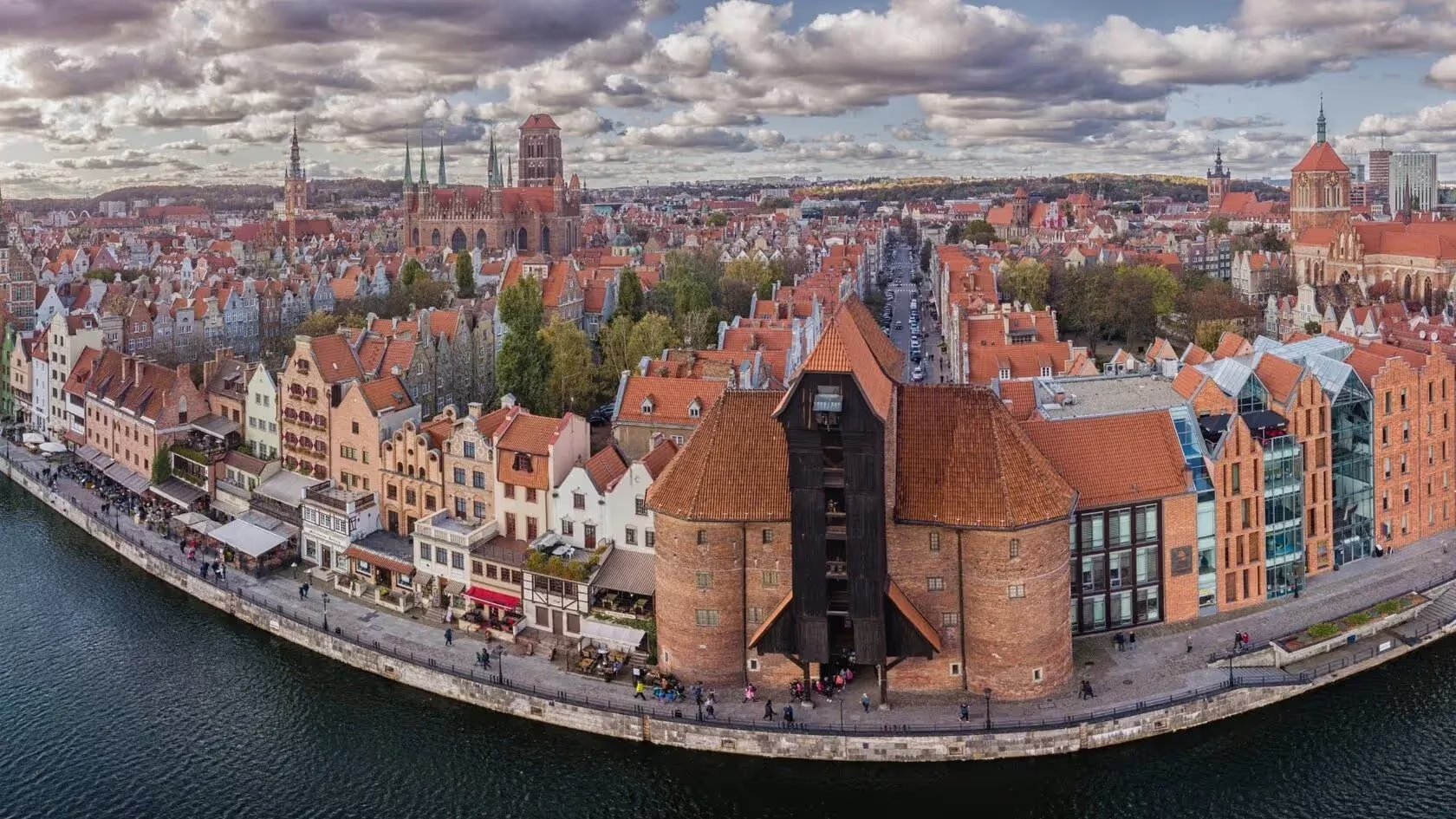
Gdańsk fascinates not for its architecture – it's a city where the past meets the present in the most unexpected ways. Museums in Gdańsk transcend the boundaries of traditional sightseeing, offering true adventures for the senses. Instead of glass display cases, you'll find ships you can board, mechanisms you can operate, and stories you can feel almost physically.
Gdańsk's history is a mosaic of experiences of merchants, sailors, craftsmen, and ordinary residents. From medieval ports to 20th-century shipyards, from amber routes to struggles for freedom.
What's more, the city offers free museum days in Gdańsk, which open doors to these treasures without burdening your wallet. And when you need a moment of relaxation after a day full of impressions, modern places show that culture is also about pleasure and comfort.
{{ctablock}}
The Crane and Sołdek – The Maritime Soul of the City
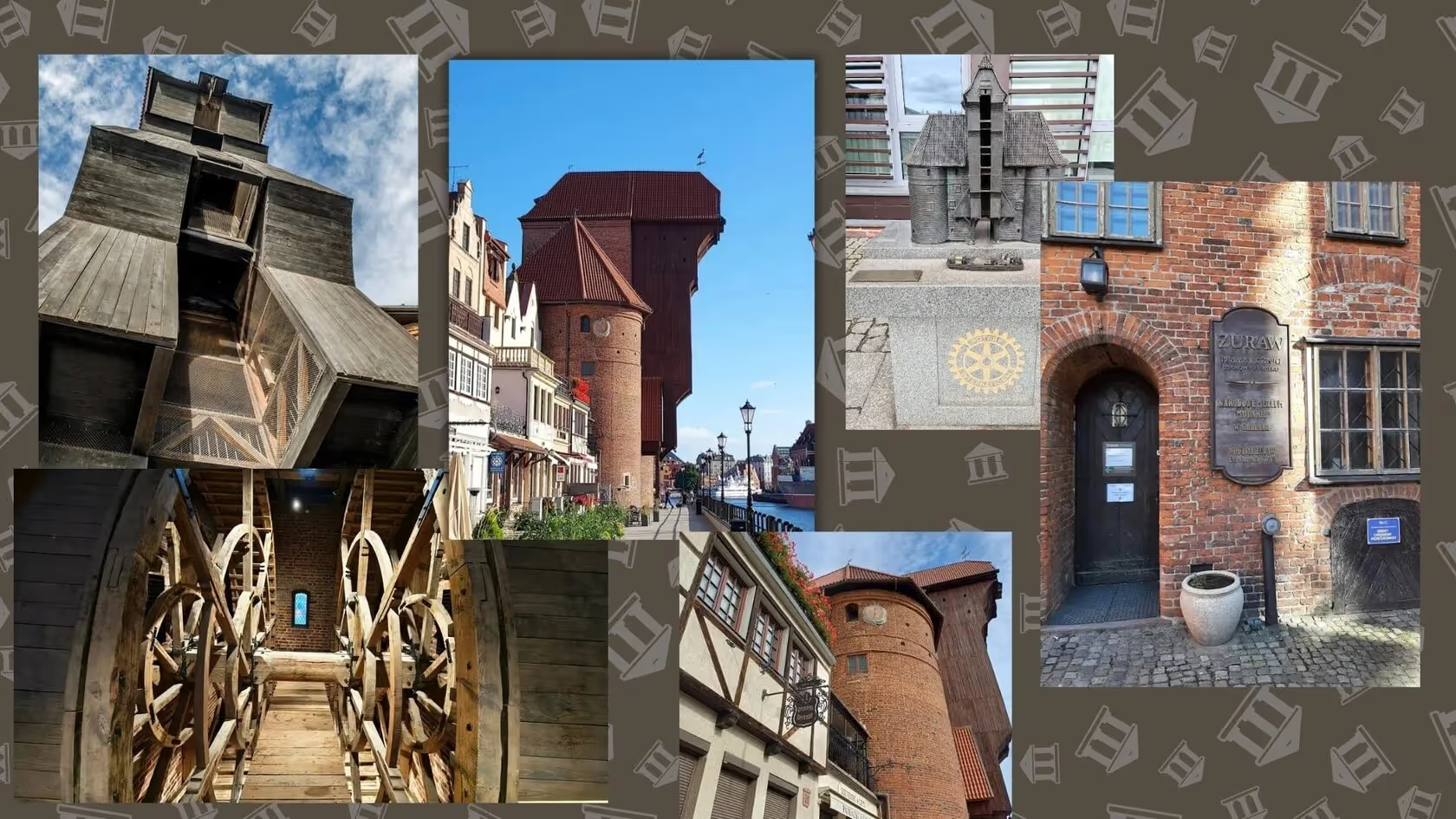
Standing over the Motława River, the Crane is more than a monument – it's a living witness to the era when Gdańsk was a commercial power of Europe. The largest medieval port crane in the world conceals interiors that transport you straight to the 15th century. Here you can see what everyday port life looked like when ships arrived from Flanders, England, or Novgorod.
Most fascinating are the reconstructed mechanisms. Great wheels powered by human muscle lifted bolts of cloth, barrels of honey, and sacks of grain. Today, you can stand in the place of former porters and feel the weight of history, literally.
Opening hours: Tuesday 9:00 a.m. – 5:00 p.m., Wednesday 1:00 p.m. – 5:00 p.m., Thursday – Sunday 9:00 a.m. – 5:00 p.m.Ticket prices: regular – PLN 26, reduced – PLN 19, Wednesday – free admission
A few steps away, at the Ołowianka waterfront, the museum ship Sołdek awaits. The first Polish seagoing vessel after the war is a true time capsule from the 1950s. Walking on its decks, you enter a world where every object has its story. In the cook's cramped cabin, pots and pans still stand. On the captain's bridge, the clock shows the time of the last voyage.
What makes this place special? Authenticity. This isn't a reconstruction; it's a real ship with real traces of crew life. In the engine room, you'll smell oil and metal, and in the mess hall, you'll almost hear the sailors' conversations.
Opening hours: Tuesday 10:00 a.m. – 5:00 p.m., Wednesday 1:00 p.m. – 5:00 p.m., Thursday – Sunday 10:00 a.m. – 5:00 p.m.
Ticket prices: regular – PLN 26, reduced – PLN 19, children under 7 – free admission

Can a Warship Be an Attraction for the Whole Family?
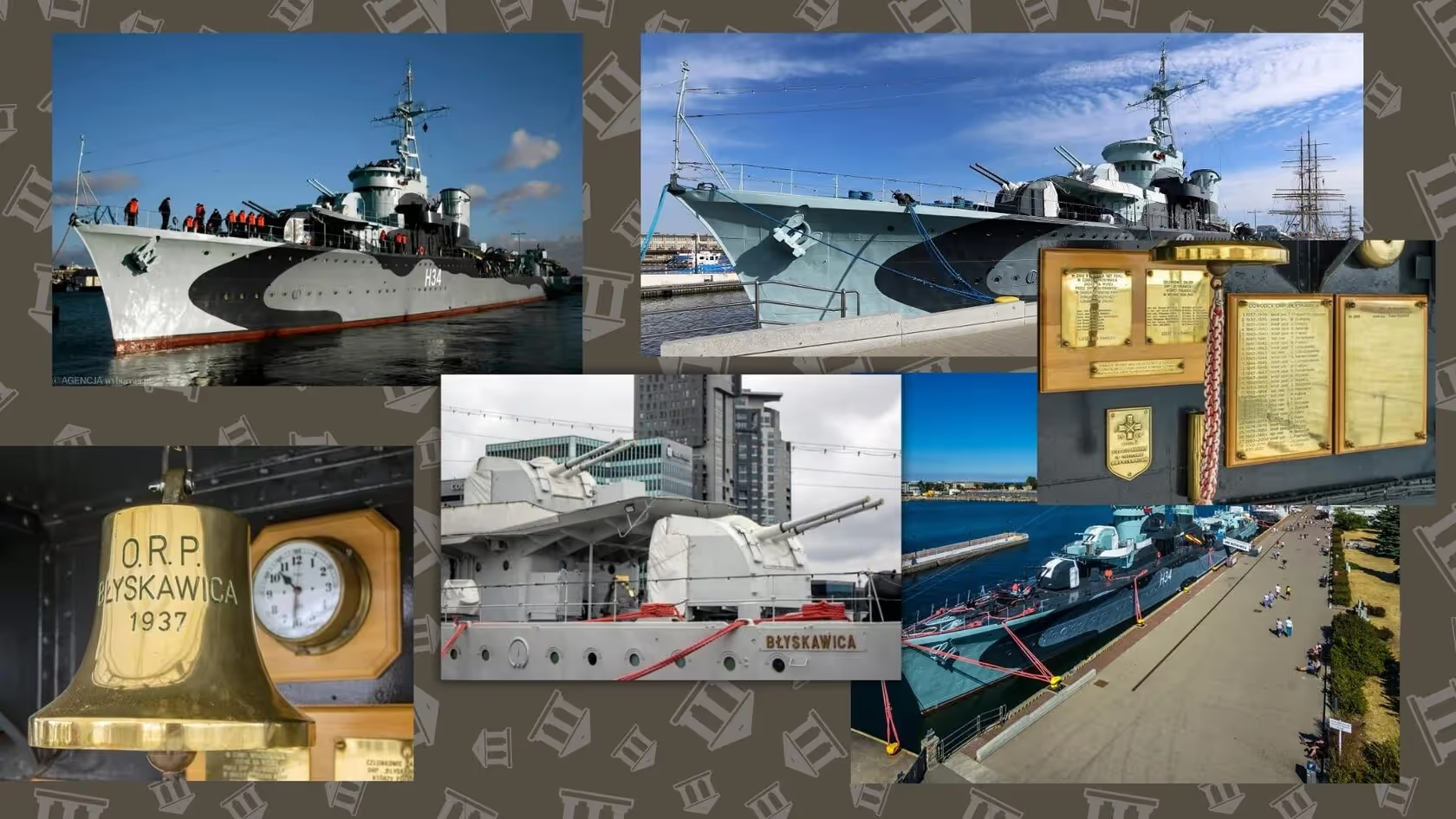
In Gdynia's port stands a ship with an extraordinary history. ORP Błyskawica is the only destroyer in the world that survived the entire World War II – from the first shot in Gdańsk to Germany's surrender. Touring this ship is a journey through the darkest period of the 20th century.
On board, everything remains as it was in 1945. In officers' cabins lie books and documents. Ammunition boxes stand by the guns. In the radio room, indicators of devices that received orders from London still blink.
Opening hours: Tuesday to Sunday – 10:00 a.m. to 6:00 p.m., closed on Mondays
Ticket prices: regular – PLN 30, reduced – PLN 15, family (2+2) – PLN 75, Friday – free admission
Dar Pomorza is a completely different story. The story of the white frigate that shaped Polish sailors for half a century. This three-masted sailing ship is a living textbook of sailing. In the captain's cabin, original navigational instruments have survived, and in the small library, Captain Borchardt's book collection (a writer who celebrated the sea in his novels).
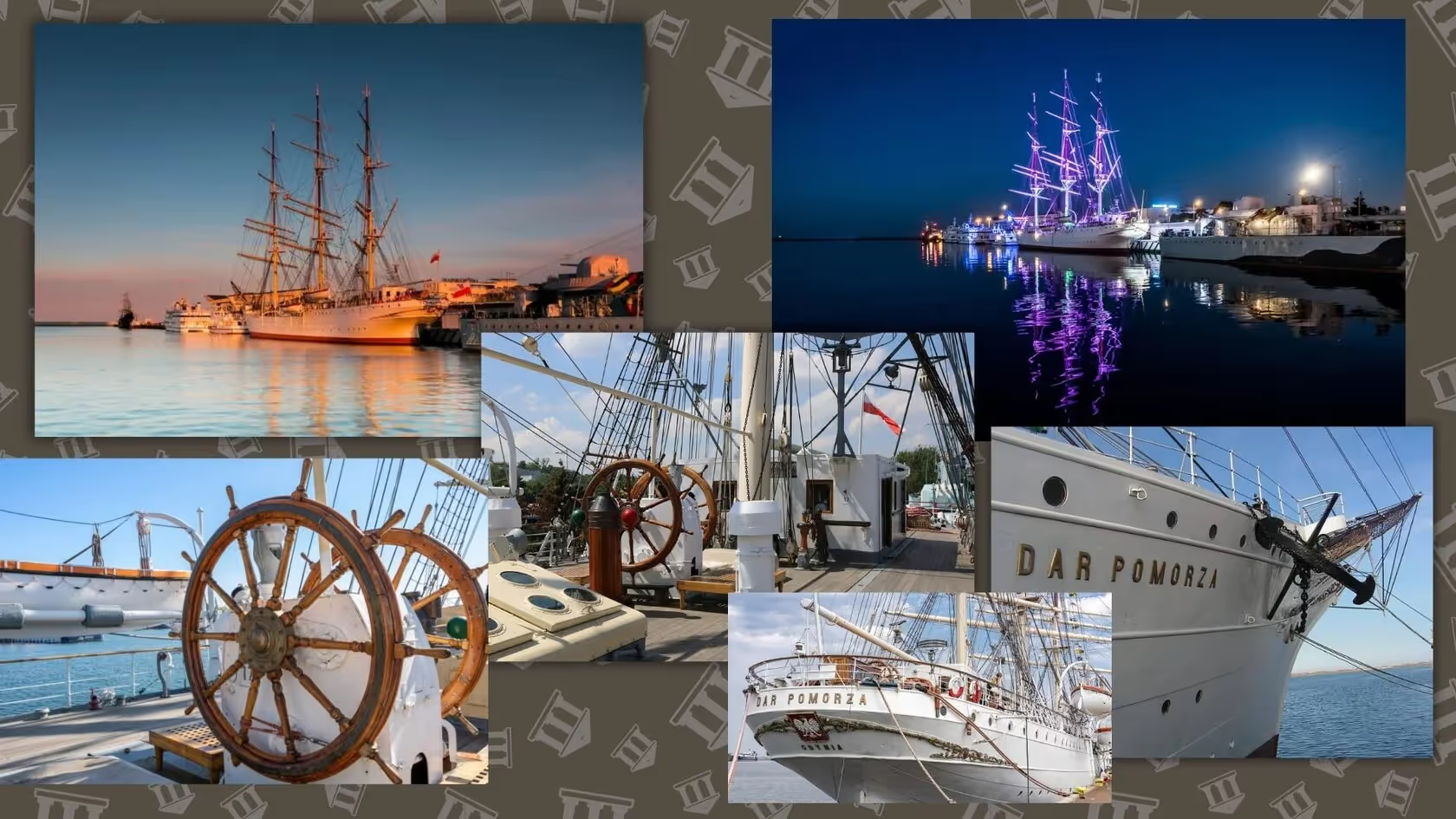
Both ships share one thing – they are not exhibits, but places where the spirit of maritime tradition still lives. Every cabin, every instrument tells the story of people who lived and worked here.
Opening hours: Tuesday–Sunday, 10:00 a.m.–4:00 p.m.
Ticket prices: regular – PLN 35, reduced – PLN 25, children under 7 – free admission
What Makes Thousand-Year-Old Objects Still Fascinating?
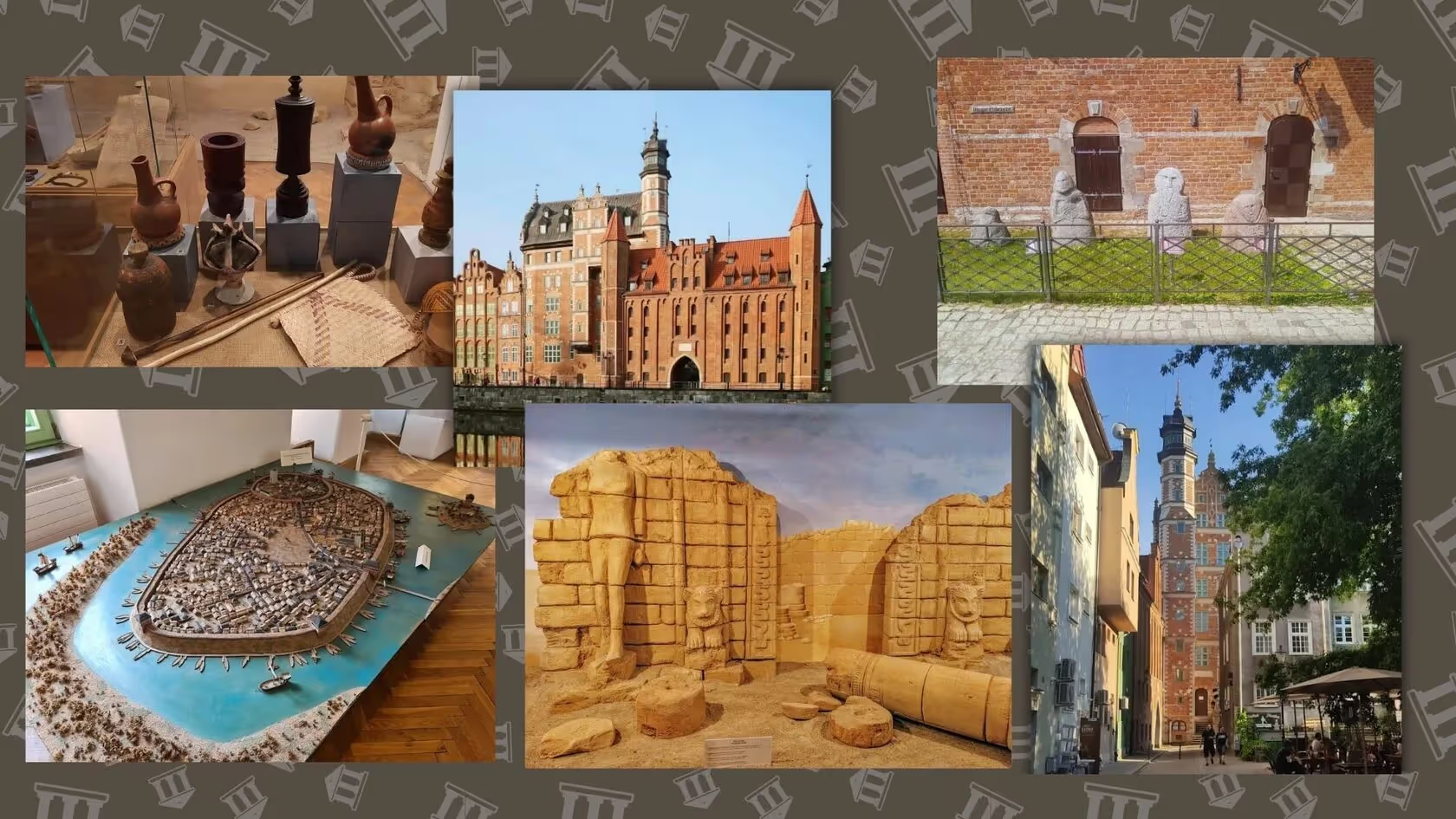
The Archaeological Museum hides treasures that have rested under Gdańsk's soil for centuries. Here you can see necklaces from the Stone Age, weapons of Slavic warriors, and tools of medieval craftsmen. What makes this place special? Most of the exhibition can be touched.
Archaeological workshops allow you to take on the role of a researcher of the past. Children can dig in real excavation sandstone, and adults can try their hand at blacksmithing or pottery. This museum hosts regular life shows that are regularly organized, where craftsmen in period costumes demonstrate ancient techniques.
Opening hours: Tuesday–Thursday, 10:00 a.m.–5:00 p.m.
Ticket prices: regular – PLN 8, reduced – PLN 6, observation tower – PLN 5
Can a Post Office Building Tell the Story of an Entire War?
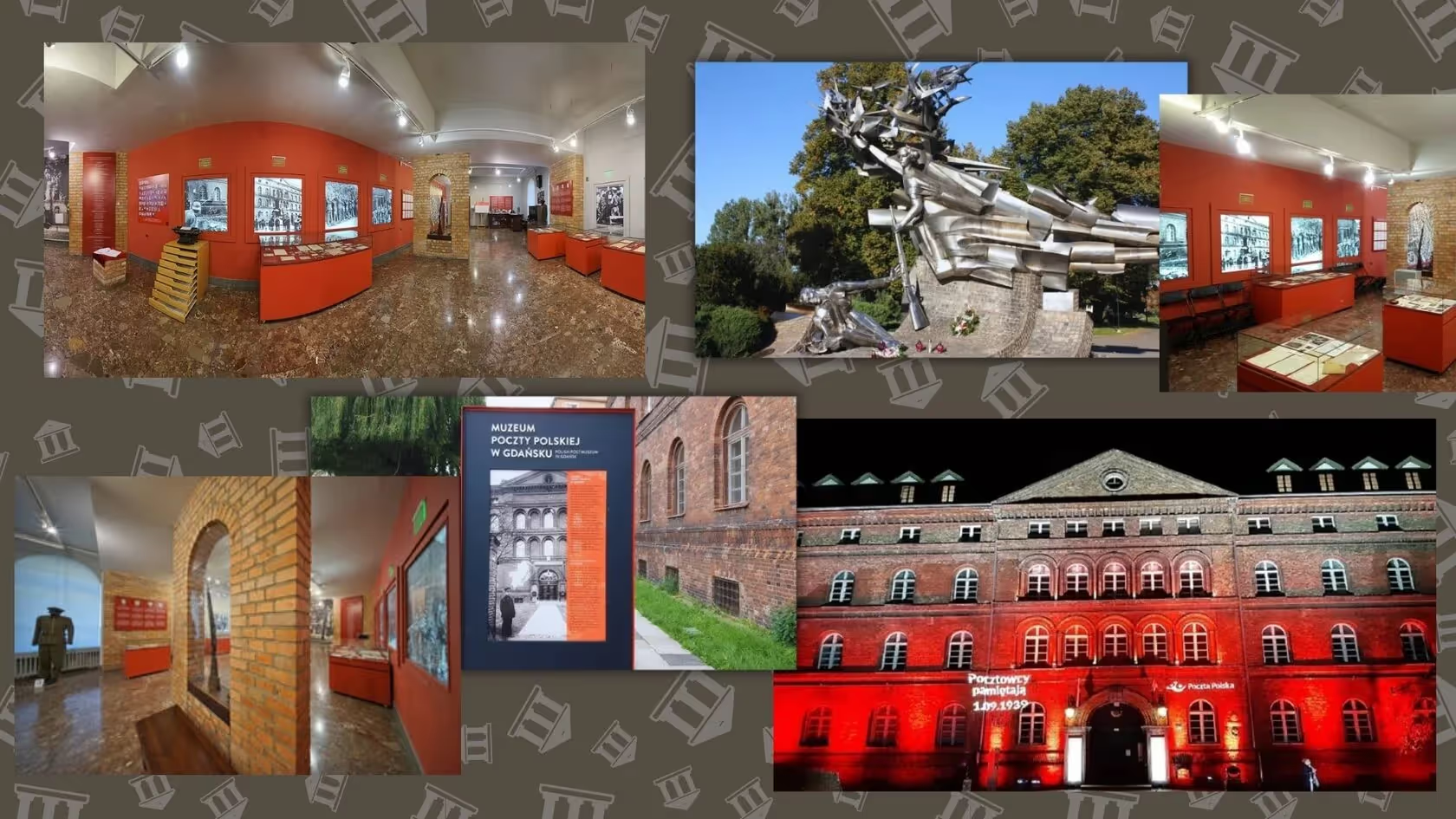
Defenders of the Polish Post Office Square hide a story that still moves people today. On September 1, 1939, a group of Polish postal workers resisted German soldiers. It lasted several hours, but became a symbol of Polish resistance.
The Polish Post Office Museum is housed in the authentic building where these events took place. In the exhibition halls, you can see bullet holes and traces of the battle. The multimedia story is supplemented by documents, photographs, and personal belongings of the heroes.
Most moving are the letters that postal workers wrote to their families before death. These simple, human words say more about war than hundreds of history textbooks.
Opening hours: Monday-Sunday – 10:00 a.m. – 4:00 p.m.
Ticket prices: regular – PLN 16, reduced – PLN 8, family – PLN 37

History Without Boredom
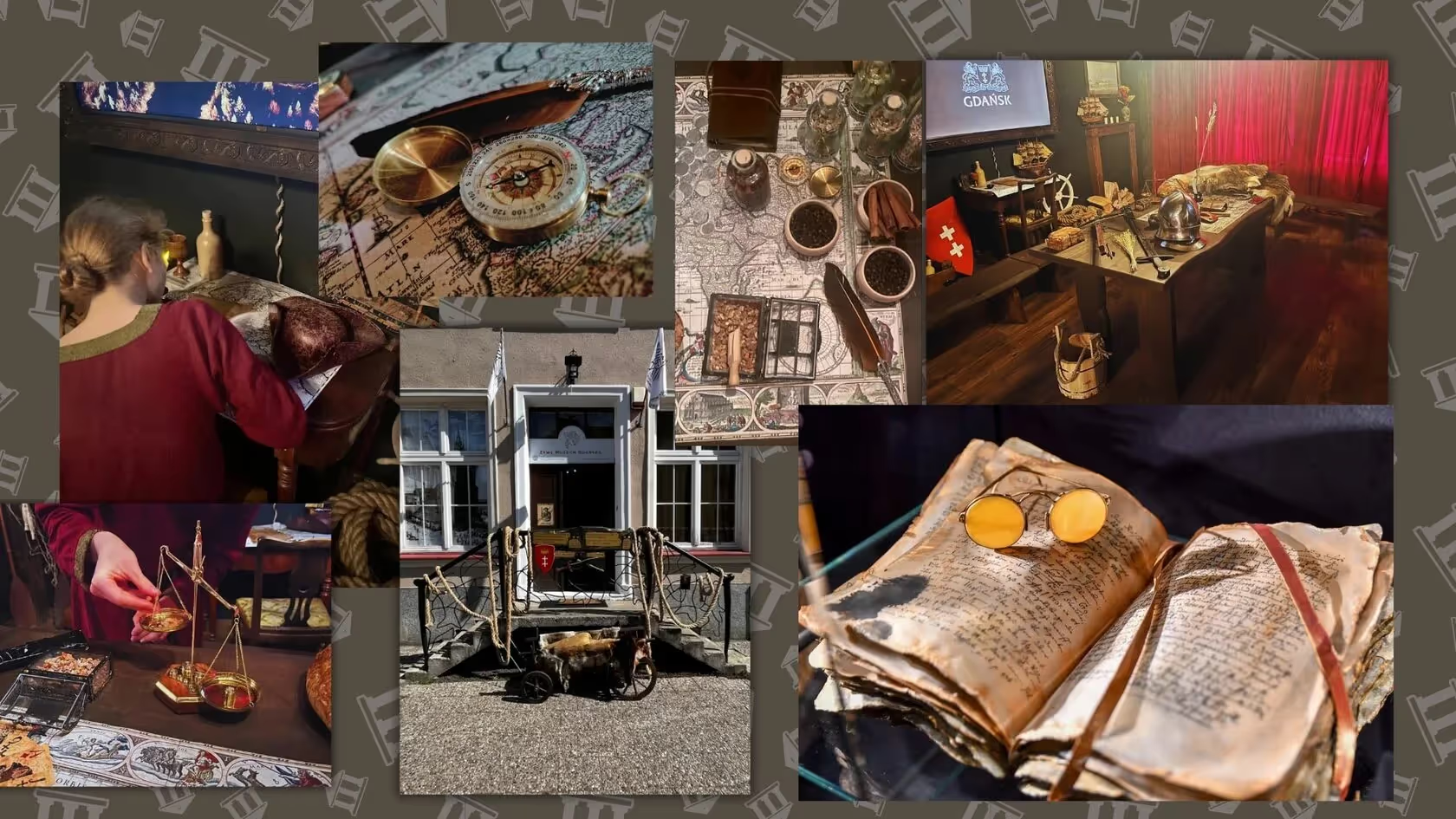
A medieval street with stalls, workshops, and characters in period costumes – this is what the Interactive Museum of Gdańsk looks like. It's a place where Gdańsk's history becomes a spectacle for all the senses.
In the forge, you can hammer nails with your own hands. In the bakery, you can bake bread according to a medieval recipe. In the herbal pharmacy, you can learn the secrets of ancient medicine. Actors playing medieval city residents tell stories as if they happened yesterday.
What distinguishes this museum? No barriers between visitors and exhibits. Everything can be touched, everything can be tried.
Opening hours: Monday-Thursday – 9:00 a.m. – 4:00 p.m., Friday-Saturday – 10:00 a.m. – 5:00 p.m.
Ticket prices: adults – PLN 39, seniors, children, pupils, students (up to 26 years of age) – PLN 34, 2+1 (2 adults, 1 child up to 17 years old) – PLN 99, 2+2 (2 adults, 2 children up to 17 years old) – PLN 119, group ticket for more than 14 people – PLN 33/person
History Without Boredom
A medieval street with stalls, workshops, and characters in period costumes – this is what the Interactive Museum of Gdańsk looks like. It's a place where Gdańsk's history becomes a spectacle for all the senses.
In the forge, you can hammer nails with your own hands. In the bakery, you can bake bread according to a medieval recipe. In the herbal pharmacy, you can learn the secrets of ancient medicine. Actors playing medieval city residents tell stories as if they happened yesterday.
What distinguishes this museum? No barriers between visitors and exhibits. Everything can be touched, everything can be tried.
Opening hours: Monday-Thursday – 9:00 a.m. – 4:00 p.m., Friday-Saturday – 10:00 a.m. – 5:00 p.m.Ticket prices: adults – PLN 39, seniors, children, pupils, students (up to 26 years of age) – PLN 34, 2+1 (2 adults, 1 child up to 17 years old) – PLN 99, 2+2 (2 adults, 2 children up to 17 years old) – PLN 119, group ticket for more than 14 people – PLN 33/person
Can the Best Attractions Sometimes Cost Nothing?
One of the city's greatest advantages is cultural accessibility. Free museum days in Gdańsk operate according to an established calendar, which is worth knowing before arrival.
Mondays belong to the branches of the Gdańsk Museum, as the Amber Museum, Artus Court, and Uphagen House open their doors without charging admission fees. Tuesdays are time for the Museum of World War II, and Wednesdays are for visiting the Central Maritime Museum warehouses on Ołowianka.
Two key museums – the Solidarity Museum and the Museum of the Second World War – deserve separate discussion, which you will find in our guide “What to see in Gdańsk”.
Friday is a free museum day in Gdańsk, which includes all branches of the National Museum, featuring the famous triptych "The Last Judgment" by Hans Memling.
When planning visits on these days, remember one thing – the popularity of free admission means crowds. It's best to come in the morning, right after opening.
{{ctablock}}
Can Gdańsk Compete with Warsaw in Contemporary Art?
Gdańsk's art scene pulses with life. The Gdańsk City Gallery on Piwna Street is the epicenter of avant-garde experiments, where young artists confront recognized masters.
Łaźnia Center for Contemporary Art on Jaskółcza Street occupies a pre-war public bathhouse. The industrial interiors create perfect scenery for bold installations and performances. It's a place where art has no boundaries or compromises.
NOMUS in the Abbots' Palace in Oliwa shows how art galleries in Gdańsk can combine history with the present. Baroque halls filled with contemporary art create a dialogue between epochs.
What connects these places? Courage in presenting art that can provoke, delight, or shock – but never leaves you indifferent.
Perfect End to the Day
After an intensive day spent in Gdańsk's museums, you need to find a place to reflect on what you've seen.
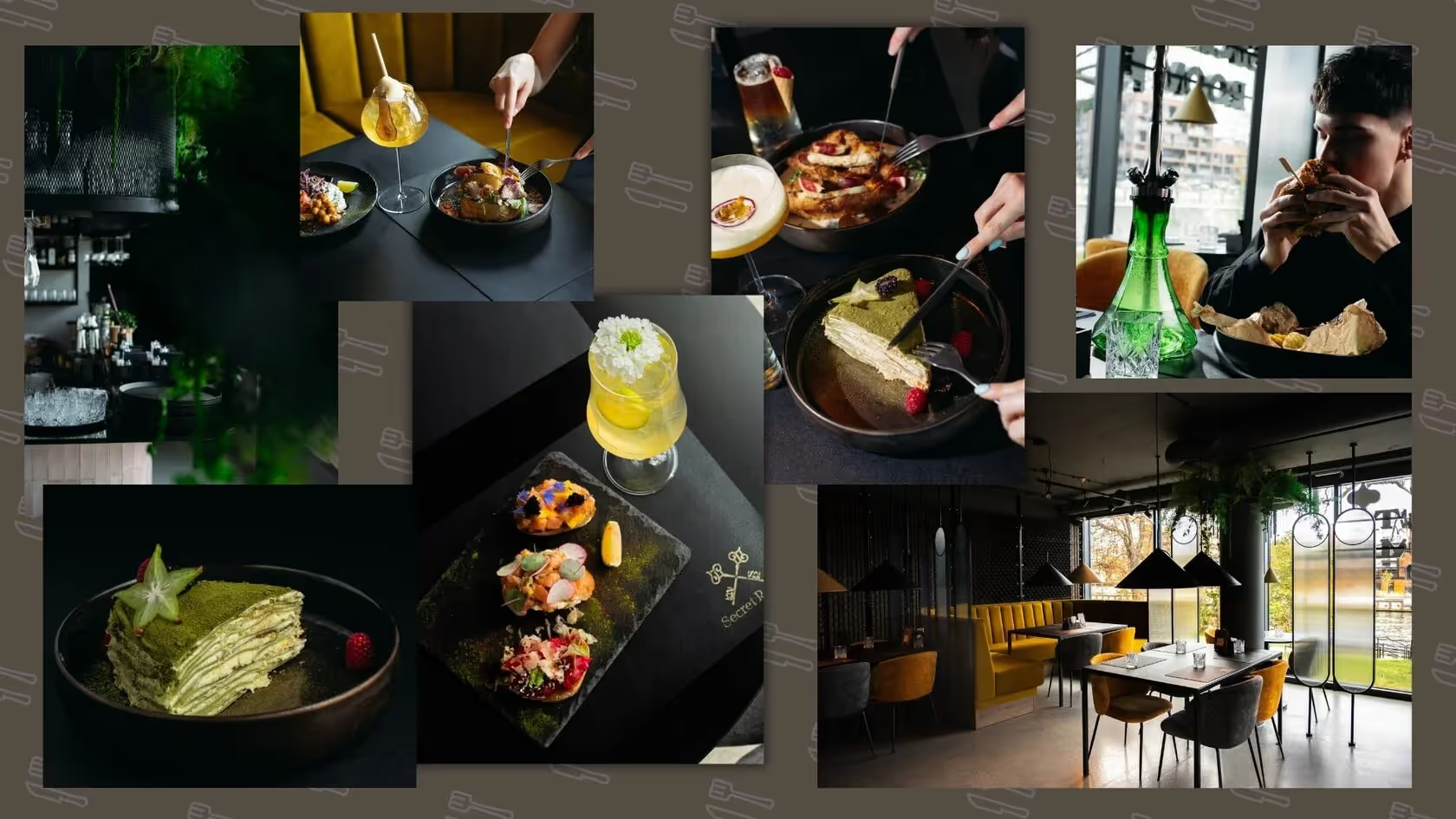
Secret Room at Stępkarska 7 was created with the idea of establishing a "new culture of relaxation" in the heart of the city.
This isn't an ordinary restaurant. Green interiors with thoughtfully selected lighting create an atmosphere of intimacy, but without excessive luxury. The cuisine combines European traditions with Asian WOK flavors and street food – a combination that sounds strange but tastes surprisingly harmonious.
The bar is a separate world. Cocktails like Eternal Blossom or Fashion Killer are not just drinks, but small works of bartending art. Each drink has its story, and bartenders are happy to tell it.
It's a place where, after a day full of Gdańsk's history, you can discuss what you've experienced and plan further discoveries.
Practical Secrets
Museums in Gdańsk are not randomly placed on the city map. Most are within walking distance of the Main Town. It's best to start from the Crane, go to Ołowianka to the Central Maritime Museum, and then follow Długa Street toward other branches of the Gdańsk Museum.
To get to Gdynia to see ORP Błyskawica and Dar Pomorza, it's most convenient to take the SKM train. The journey takes 20 minutes, and trains run every 10-15 minutes.
Multi-museum passes allow you to save 20-30% on costs, but they're only worthwhile when visiting at least three places within a week. Tri-City museums also offer joint tickets, but each institution has its own rules.
The most important advice? Don't try to see everything in one day. Each of these places deserves at least two hours, and some – like the ship Dar Pomorza or the Living Museum of Gdańsk – deserve a full day.
Is It Worth Planning an Entire Trip Around Museums?
Museums in Gdańsk are not ordinary repositories of the past; they are places where history still lives and breathes. From the medieval mechanisms of the Crane to contemporary art galleries in Gdańsk, each of these places offers a different way of looking at the world.
Gdańsk's history is not just dates and names; it's stories about people, their dreams, struggles, and everyday joys. In the Central Maritime Museum, you'll feel the spirit of great navigation; in the Polish Post Office Museum – the strength of ordinary heroes; and in the Living Museum of Gdańsk – the taste of ancient life.
This city rewards curiosity. Each visit reveals new layers, new stories, new connections between past and present.
Gdańsk awaits! All that remains is to choose which treasure to start your adventure with.
An Exceptional Evening in Gdańsk!
Reserve a table at Secret Room!