What Are the Different Types of Coffee and Which One Should You Order?
A hot drinks menu looks about the same everywhere, and most guests still order two or three items from it. The rest of the names go untouched, because nobody at a table of six wants to ask the server how a flat white differs from a cappuccino.
The gaps between those items are smaller than the number of names suggests. All of them come down to three decisions made before the cup reaches the table.
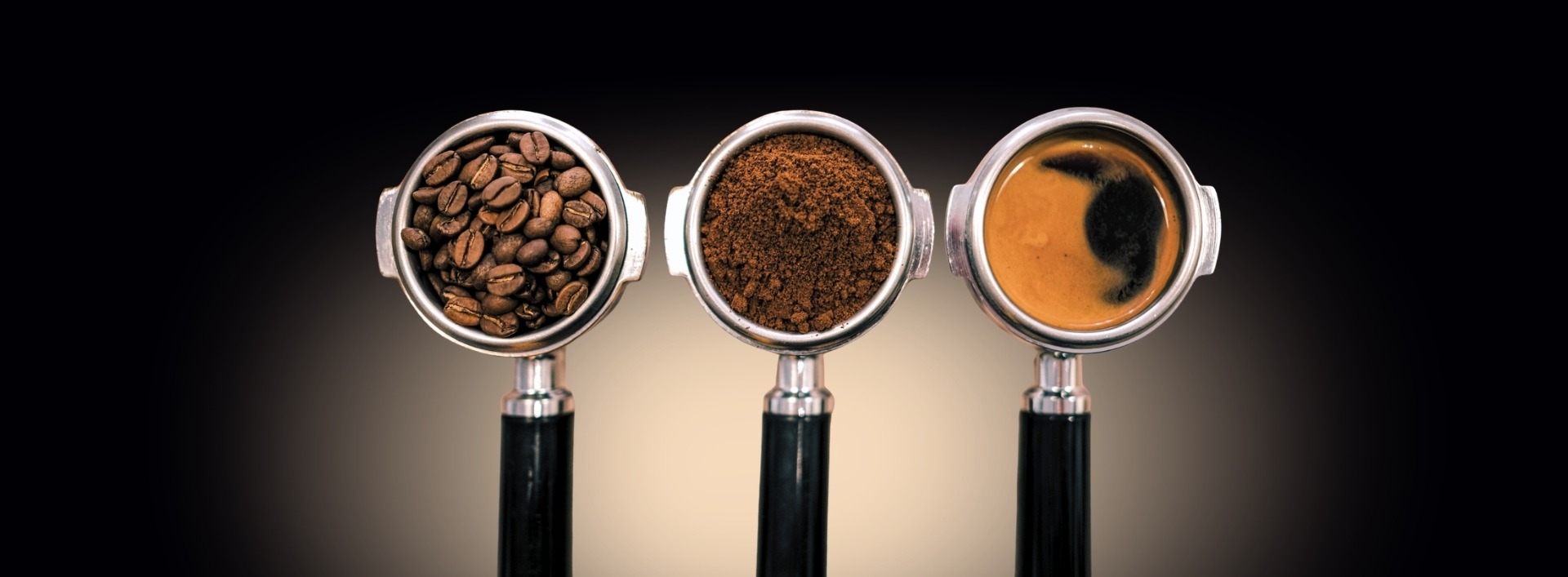
What happens to coffee before it reaches the cup?
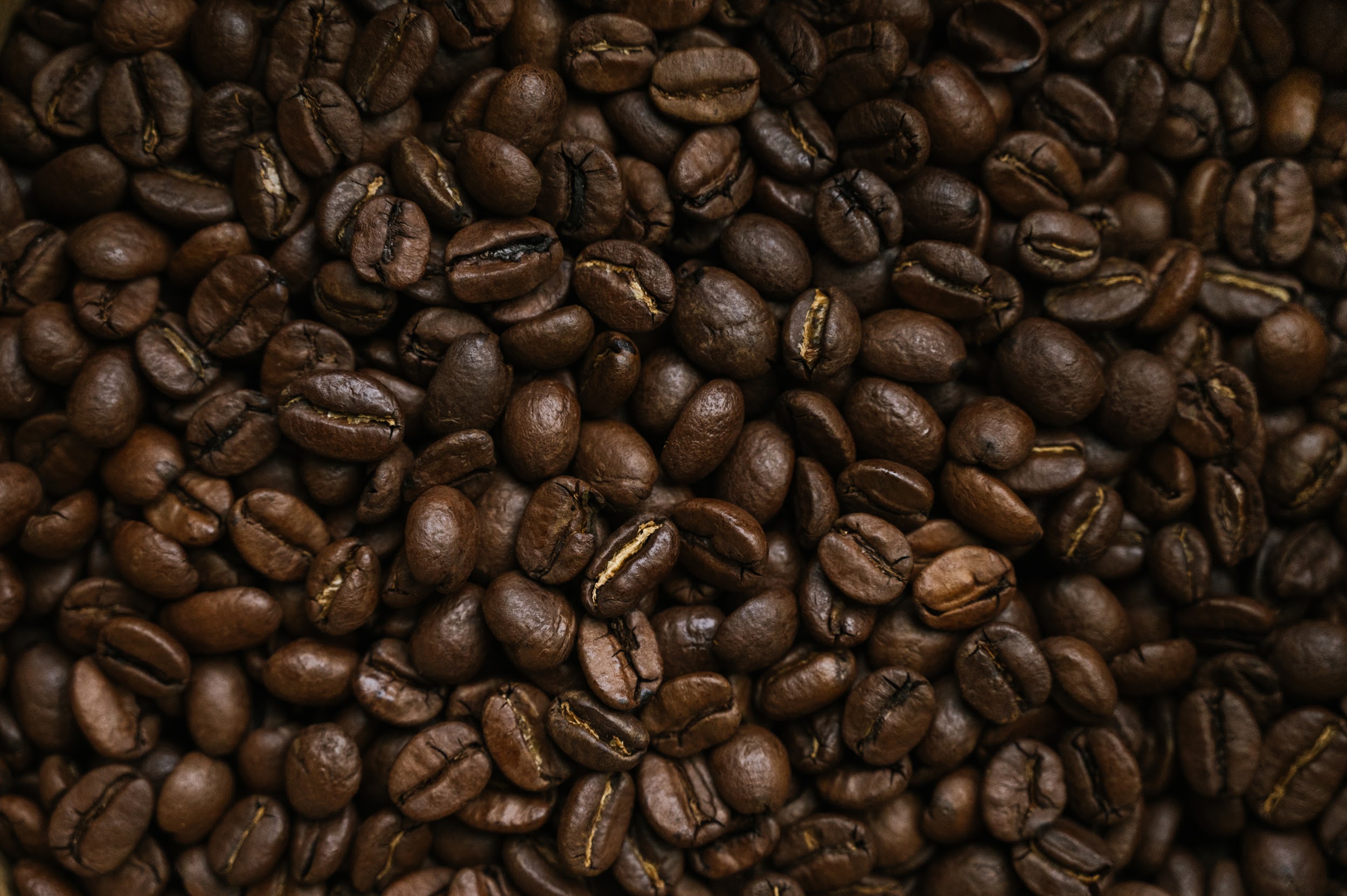
The first decision belongs to the bean, and it happens long before you walk through the door. Species, growing region, and roast level set the flavor profile before anyone touches the machine. The same drink name can taste completely different in two venues if each one works from a different blend.
The second decision is extraction, meaning how much water passes through the ground coffee and for how long. The third is what gets added, either water or milk. Both happen at the machine, and together they split the menu into the sections you see, including nearly every one of the types of coffee served with foam.
Arabica against robusta, acidity against crema
Botanists have counted roughly 130 coffee species in the genus Coffea, and only two of them matter commercially. Liberica and excelsa together account for a sliver of the harvest and land in specialty shops rather than on European menus, and excelsa is now usually classed as a variety of liberica.
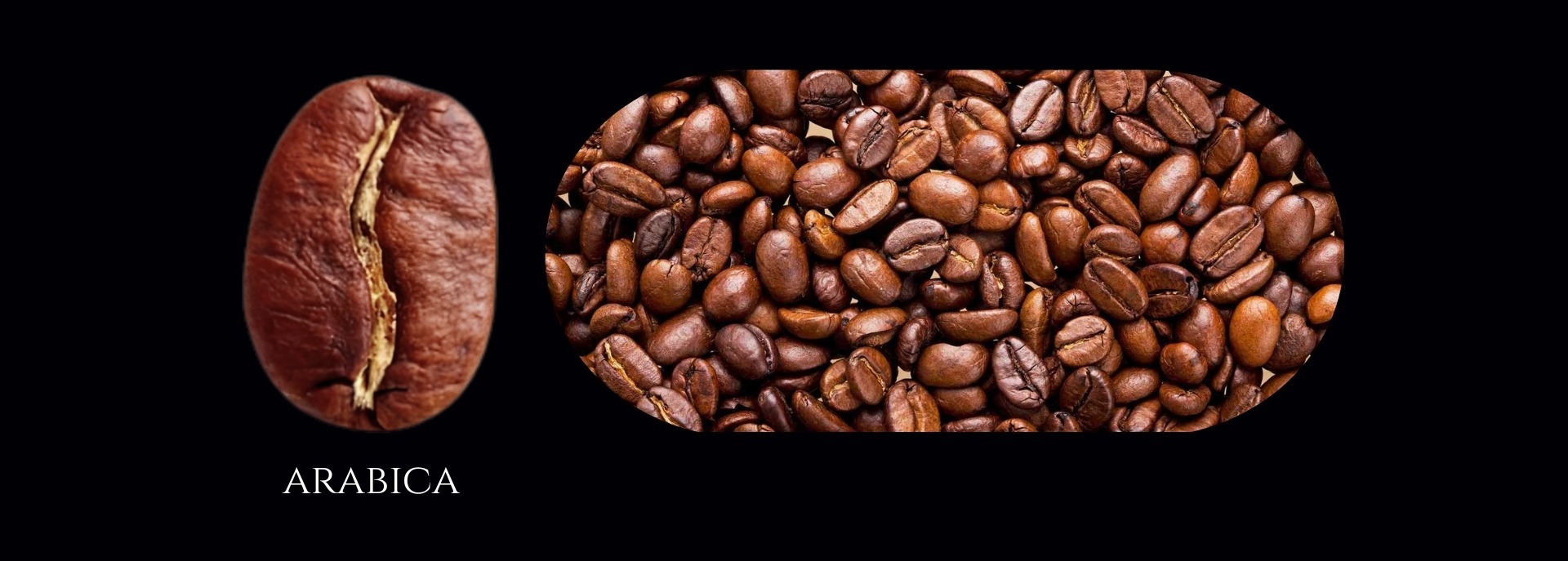
Arabica
Arabica covers about 60% of world production and effectively the whole specialty shelf. It grows between 600 and 2,000 meters (2,000 to 6,600 feet), ripens slowly, and needs a cooler climate, which makes it costlier to farm and easier prey for pests. The cup comes out acidic and aromatic, and the specific profile depends on origin more than on species. Caffeine sits at around 1.2% of the bean.
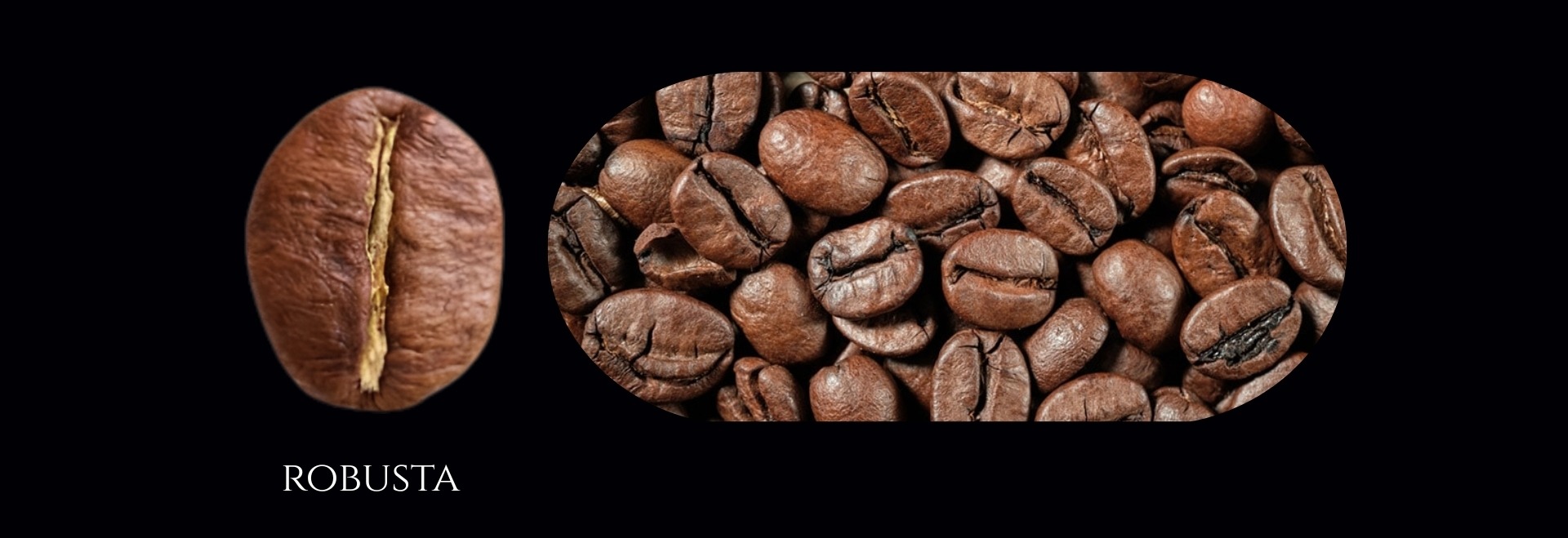
Robusta
Robusta carries roughly twice the caffeine of Arabica, a denser crema, and a sharper bitterness. It grows below 600 meters and handles higher temperatures, which in a warming climate keeps raising Robusta's share of the world harvest at Arabica's expense. Roasters add it to espresso blends mainly for crema stability and a heavier finish in the cup.
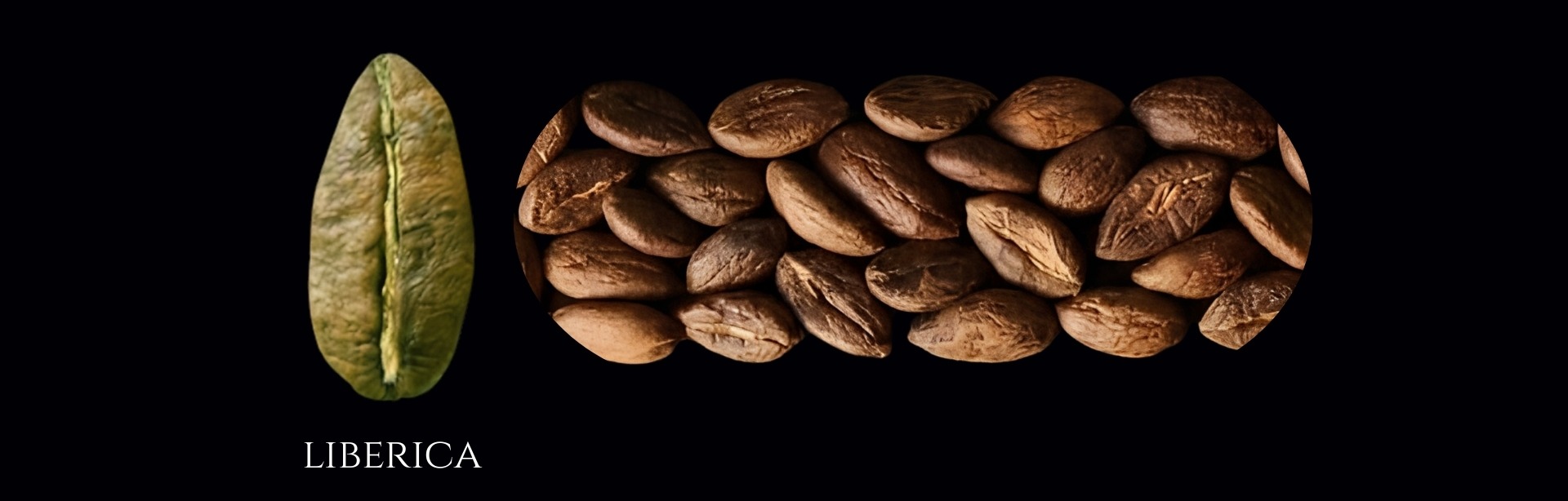
Liberica and Excelsa
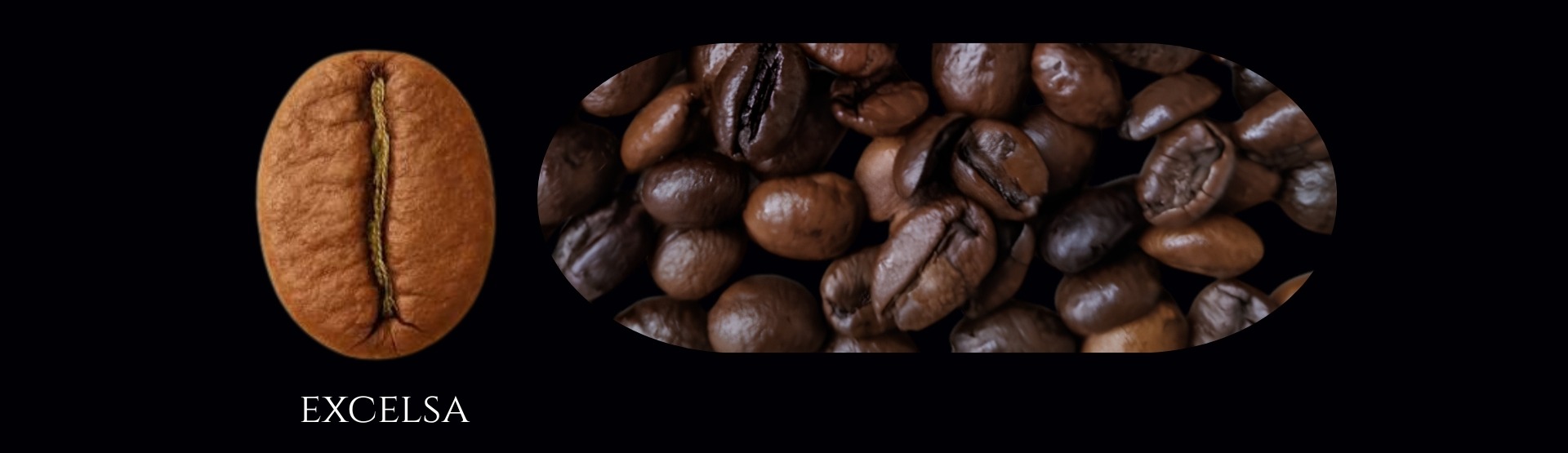
They account for a negligible portion of the global harvest and are virtually never found in coffee blends in Europe; moreover, Excelsa is now often classified as a variety of Liberica rather than a separate species. If you come across them, it’s more likely to be in a specialty store than on your dining table.
Blend or single origin
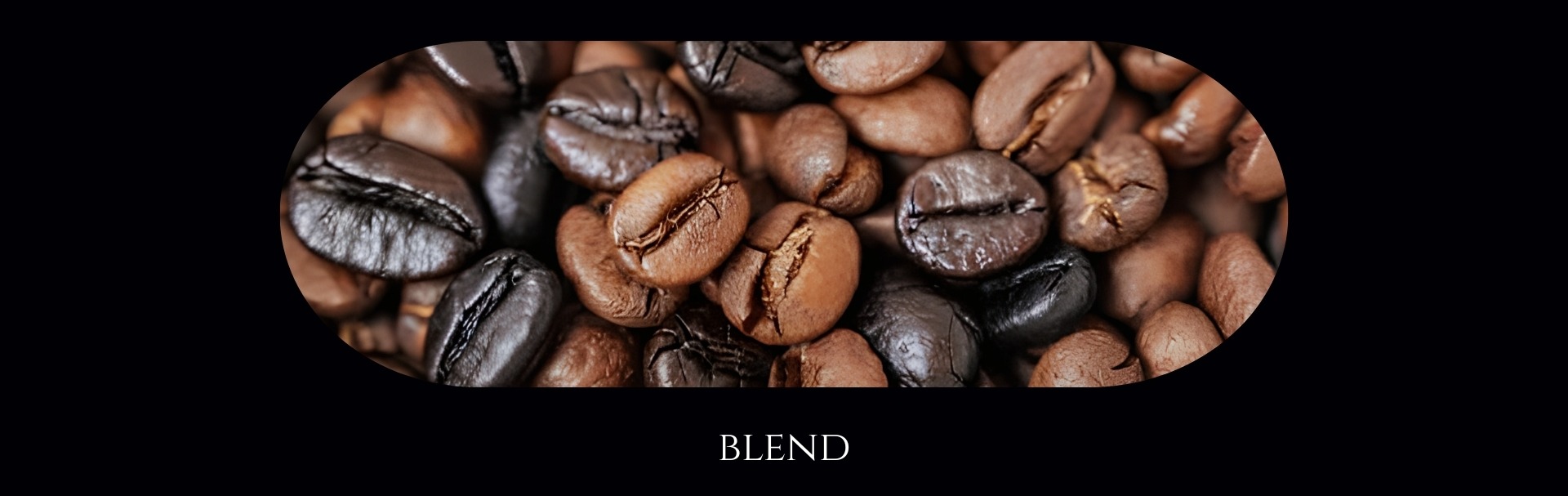
Single origin shows the character of one place and reads more clearly in black coffee. A blend is built for consistency, steady crema, and better behavior in milk. Restaurant menus mostly run on blends, since the same coffee has to hold up in an espresso and in a milk drink.
What a roastery does to the bean before it reaches the machine?
Roast level moves flavor in a predictable direction. A light roast keeps acidity and fruit aromatics, which is why the cup gets described as tea-like or citrusy. A darker roast flattens acidity and pushes cocoa, nuts, and caramel forward, with a burnt-sugar note at the deepest levels.
Post-harvest handling works in parallel with roasting and can shift the profile just as far. The washed method gives a cleaner profile. The natural method, where the fruit dries around the bean, brings heavier fruit and fuller body. Honey sits between the two and usually pushes sweetness up.
The stronger taste of a dark roast does not mean a stronger caffeine dose, though intuition says it should. Caffeine holds up well against heat, so the same weight of light and dark beans carries almost the same amount. The gap shows up only when you measure by scoop, because darker beans lose water, swell, and pack less densely.
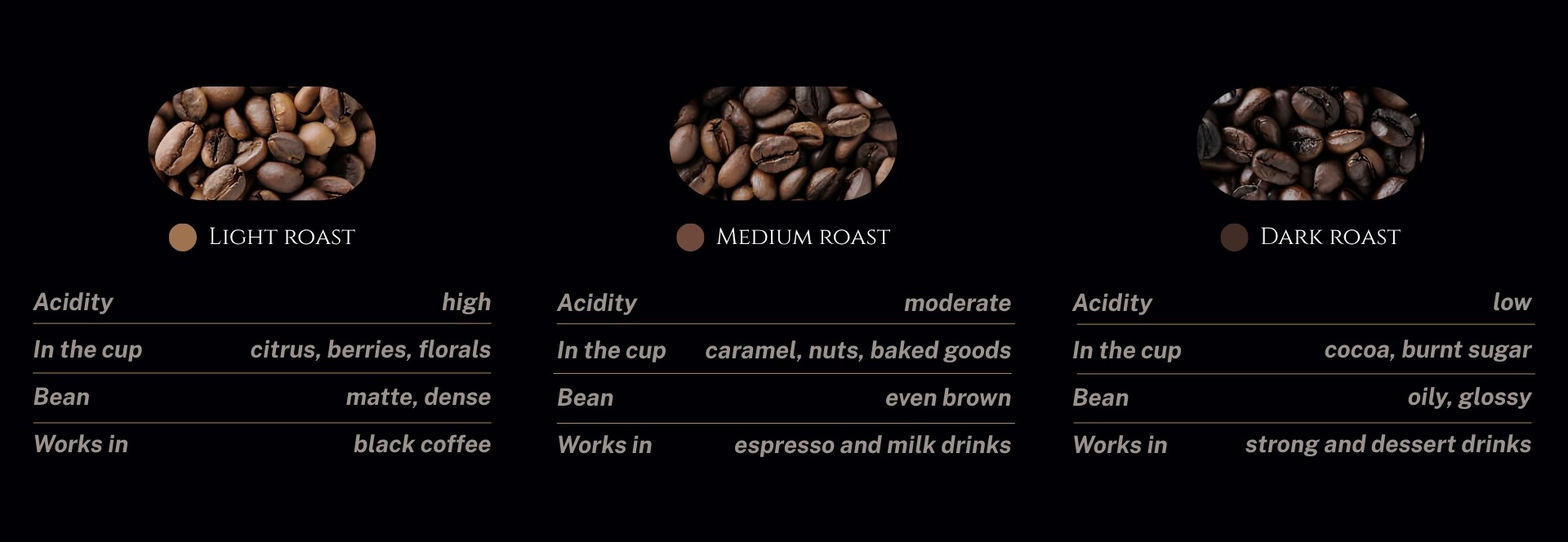
When a bean description mentions cherry or dark chocolate, nobody added either flavor to the coffee. All of it comes from the bean and from what happened to it after harvest and in the roaster.
How to order black coffee and get what you wanted?
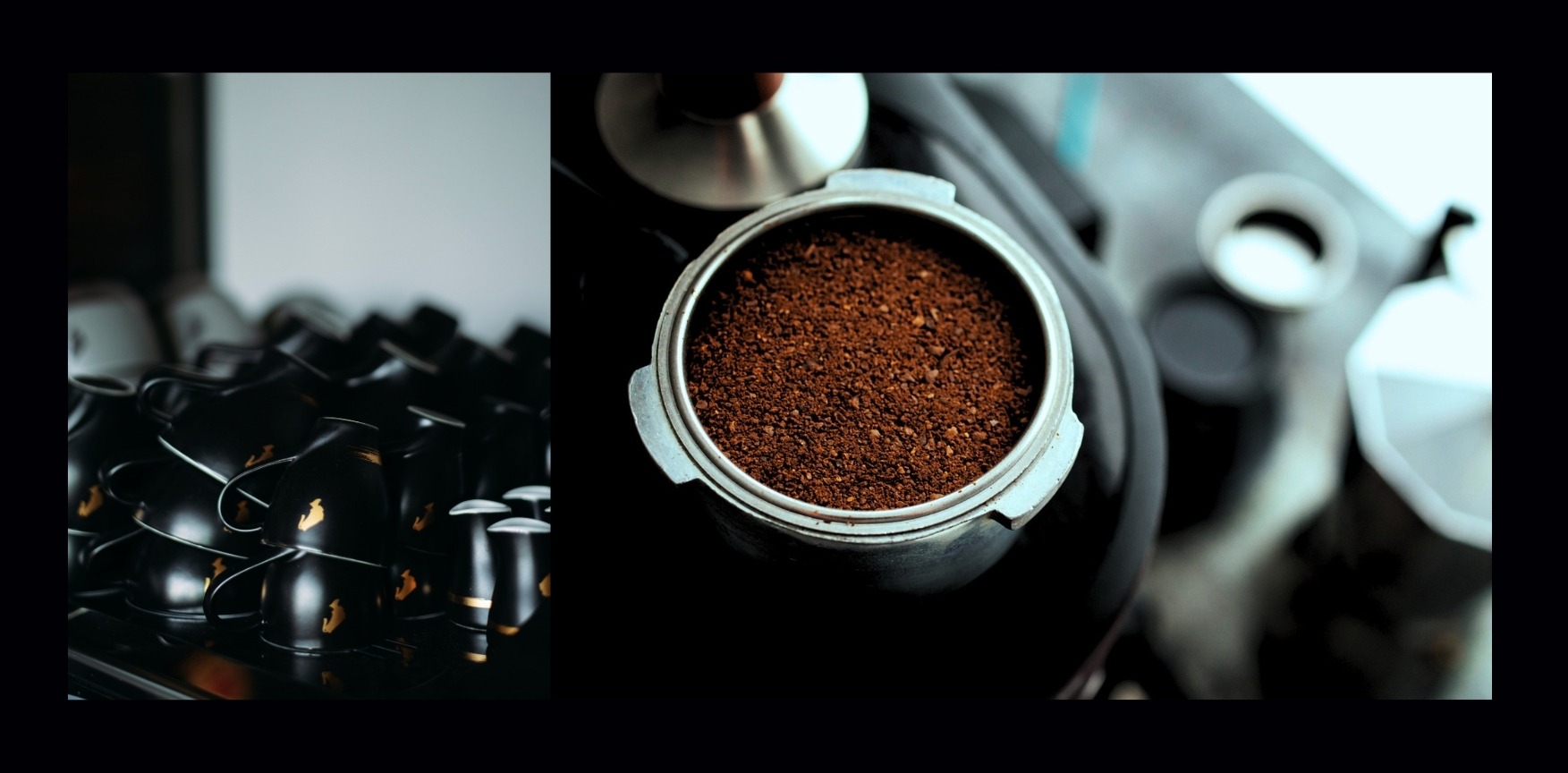
Every black item starts in the same place, from a dose of ground coffee in the portafilter. Those espresso drinks line up on a simple scale, from the densest to the most diluted.
Ristretto cuts the shot short, so the result is thicker and sweeter with less bitterness. Espresso is the standard at roughly 25 to 30 ml, with crema and clear body. Doppio uses a double dose of grounds and yields roughly double the volume at the same intensity.
Lungo and americano confuse guests more than any other pair in this group. Lungo extends the extraction, so water works the grounds longer and pulls more bitterness out. Americano starts from a finished espresso and gets hot water added after the shot, which keeps the profile closer to espresso, only diluted.
Ristretto — 15–20 ml (0.5–0.7 oz)
Shortened shot. Choose it when you want the least water.
Espresso — 25–30 ml (0.8–1 oz)
Standard extraction. Best after a heavy main course.
Doppio — 50–60 ml (1.7–2 oz)
Double dose of grounds. Strong coffee with no dilution.
Lungo — 80–110 ml (2.7–3.7 oz)
Extended extraction. For a longer conversation at the table.
Americano — 120–180 ml (4–6 oz)
Water added after the shot. When espresso runs too intense.
Milk drinks differ mostly by how much milk is in them
Milk does two jobs at once, since fat wraps the bitterness and lactose lifts perceived sweetness. The ratio decides how much of the bean you can still taste in the finished drink.
Espresso macchiato gets a spoonful of foam and stays a coffee with a milk accent. Cappuccino sits in three layers of roughly equal espresso, milk, and foam, which puts the foam at about a third of the cup. Caffè latte raises the milk share and comes out gentler, and latte macchiato reverses the pouring order, leaving the espresso visible as its own band against the milk.
Flat white has a volume close to that of a cappuccino but is built on a double espresso and microfoam, with no tall cap. Among the milk drinks, it is usually the one that hides the bean least.
Raf drops the layering that every other milk drink depends on. Everything gets blended together, so the drink turns out denser and silkier, with flavorings spread evenly through the whole volume. The format shows up rarely on Polish menus, and the name by itself says nothing about taste.
Espresso macchiato
Single espresso, a spoonful of foam, no milk. Short and coffee-forward.
Cappuccino
Single espresso, medium milk, tall foam. Airy and classic.
Caffè latte
Single espresso, plenty of milk, low foam. Mild and milky.
Latte macchiato
Single espresso, plenty of milk, tall foam. Layered, reads sweeter.
Flat white
Double espresso, little milk, microfoam. Strong and creamy.
Raf
Espresso base, milk blended in, no layers. Dense and aromatic.
Why cold coffee tastes brighter than hot?
Low temperature changes how the palate reads a brew. Bitterness steps back and acidity and fruit notes come forward, which is why cold kinds of coffee taste brighter than their hot counterparts.
Cold brew and iced coffee get treated as interchangeable, though they are made differently. Cold brew steeps in cold water for many hours and comes out mellow, low in acidity, and full-bodied. Iced coffee is usually a hot brew chilled over ice, so it keeps more of the original edge.
Espresso tonic builds on a contrast between two bitternesses that meet on the same axis. Quinine from the tonic amplifies what the bean brings, and the bubbles break up the density of the shot. What lands in the glass is far lighter than any milk drink, with the coffee core intact. Affogato leans toward dessert, since hot espresso goes straight over ice cream.
When coffee stops being a drink and becomes dessert?
Some coffee items live closer to the dessert menu than to the drinks list. Irish Coffee combines hot coffee with whiskey, sugar, and cream floated on top, so it closes an evening rather than landing mid-meal. Mocha adds chocolate to a milk base and pushes the drink toward sweetness.
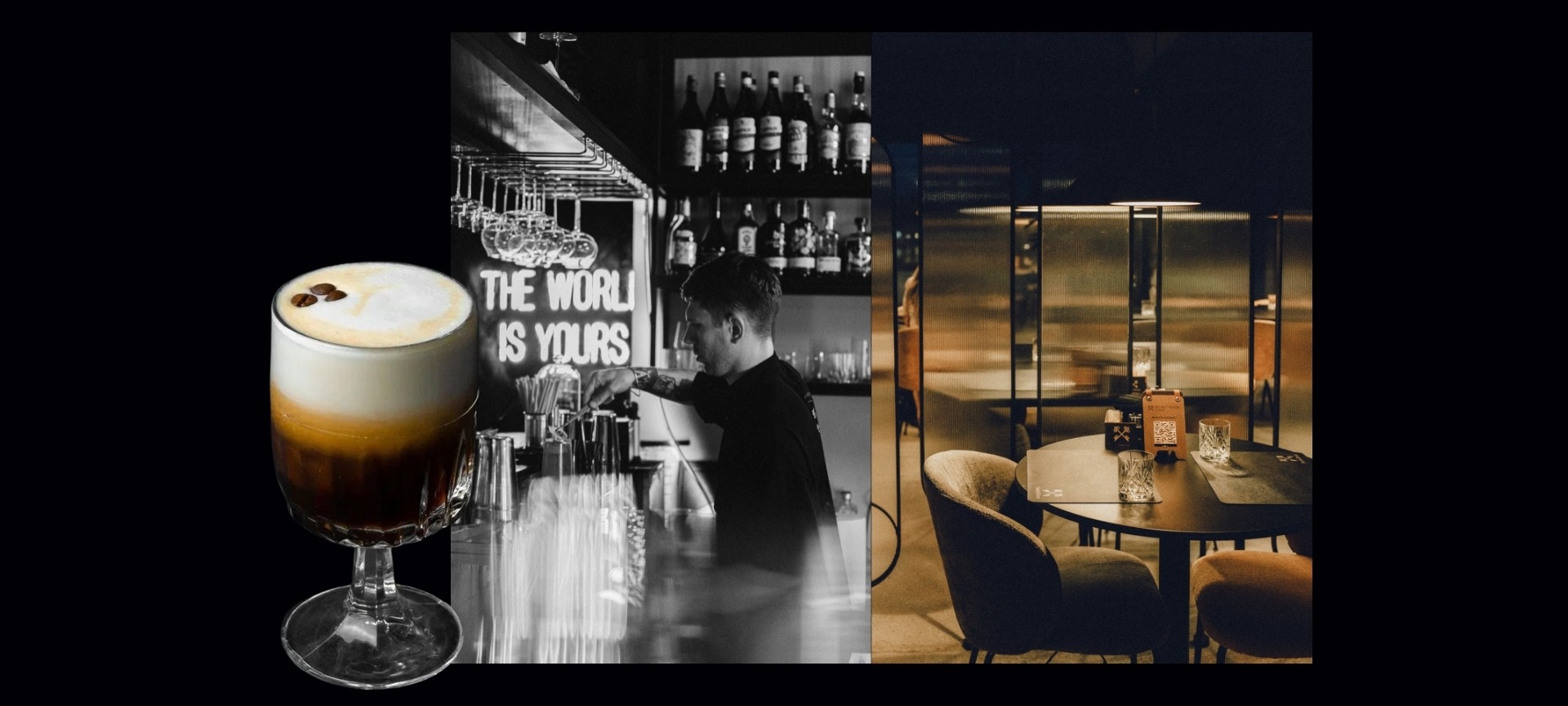
Strong black coffee stands up to the weight of dark chocolate and nuts, since both sides play in the same register. Milk drinks leave room for cheesecake and cream-based sweets rather than competing with them. Coffees with pronounced acidity work best next to fruit and lighter pastry, where their brightness cuts the sugar.
We mapped these pairings item by item in a separate piece on desserts in Gdańsk, along with a tea suggestion for each one.
Where coffee names lose their original meaning?
A lot of the confusion comes from the way coffee drink names travel between languages and lose their original meaning along the way. These four come up at the table more than any others.
Mocha and moka
Mocha means a milk-based coffee drink with chocolate in it. Moka, also called a stovetop pot, is the metal brewer you set on a burner. Both names trace back to the Yemeni port of Mokha, which handled the world coffee trade from the 15th to the 18th century.
Latte ordered in Italy
The word latte means milk in Italian, so that order in a Roman bar ends with a glass of milk and no coffee. The full name is caffè latte.
White coffee
British usage takes it to mean coffee with milk, with nothing said about ratio or foam. On American menus, the same label usually points to an extremely light roast pulled as espresso, which is a different drink altogether.
Short black and long black
In Australia and New Zealand, espresso goes by short black, and a long black is made by pouring espresso into hot water. The order is reversed from americano, where water hits the finished coffee, which is why a long black keeps its crema on the surface.
Which coffee to pick when the menu tells you nothing?
The waiter hears the question of which types of coffee to order on this particular evening every day, and his answer varies each time, because the drinks that are appropriate for a specific table depend on what’s already on it.
After a heavy main course, something short and black works best, since a concentrated shot clears the palate rather than adding volume. Espresso and doppio also show the blend profile with nothing in the way, and ristretto does the same in a denser form.
An evening that is just getting started takes cold coffee better than hot. Tonic versions drink faster, leave the appetite open, and suit a table where another plate is about to arrive.
Coffee also works as a stand-in for a cocktail for anyone driving or skipping alcohol. Tonic and milk-based drinks have the advantage over plain espresso here, since they are consumed at a similar pace and nobody at the table finishes first.
Caffeine after dark follows a different logic than cup size suggests. An americano built on a single shot holds exactly as much caffeine as that shot, because the number of doses of ground coffee counts and the added water does not. The blend is what actually moves the number, since a high robusta share can roughly double it in the same cup.
A morning cup wakes you up, an evening one closes the night
A morning cup is there to wake you up, an evening one to close a meal or stretch a conversation. After dinner, it competes with dessert and a cocktail.
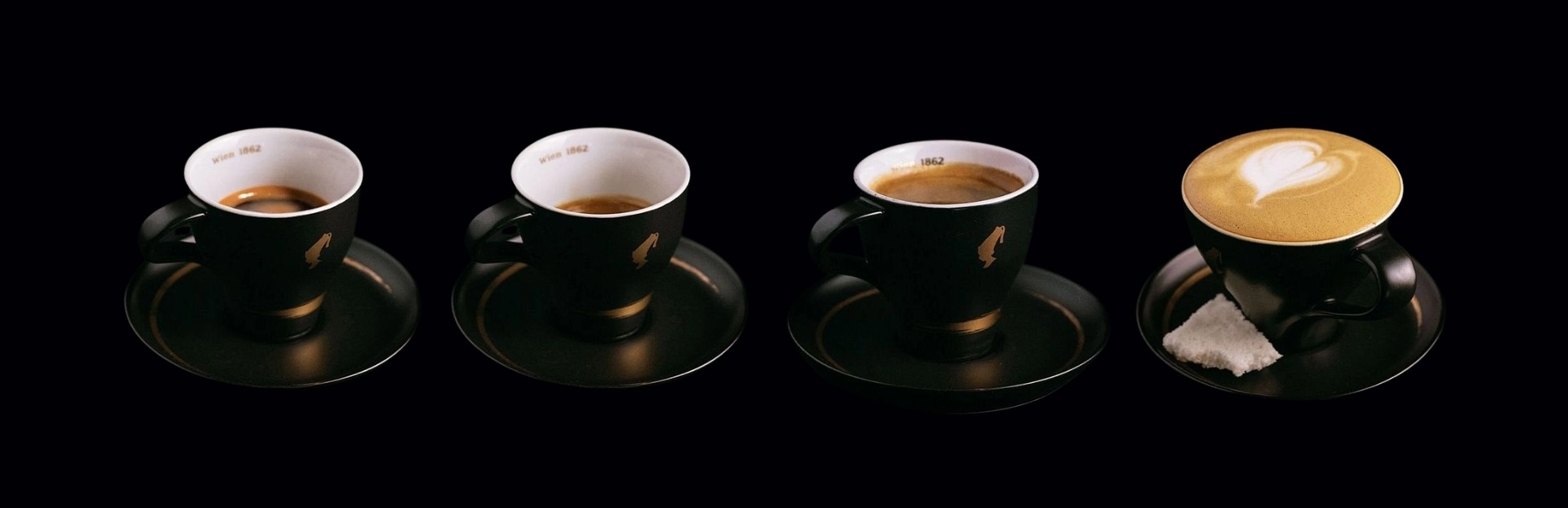
At the restaurant in Gdańsk on Stępkarska, the coffee list is built on two levels. The classics cover espresso, espresso macchiato, doppio, americano, cappuccino, latte macchiato, and flat white. The second level holds house drinks, among them a raf with lavender and coconut, and tonic coffees served cold.
Coffee can sit next to dessert, go alongside a hookah in the lounge, or wait until the very end, once the kitchen has closed orders.
An Exceptional Evening in Gdańsk!
Reserve a table at Secret Room!