What Is a Daiquiri? The Cuban Rum Cocktail Worth Knowing
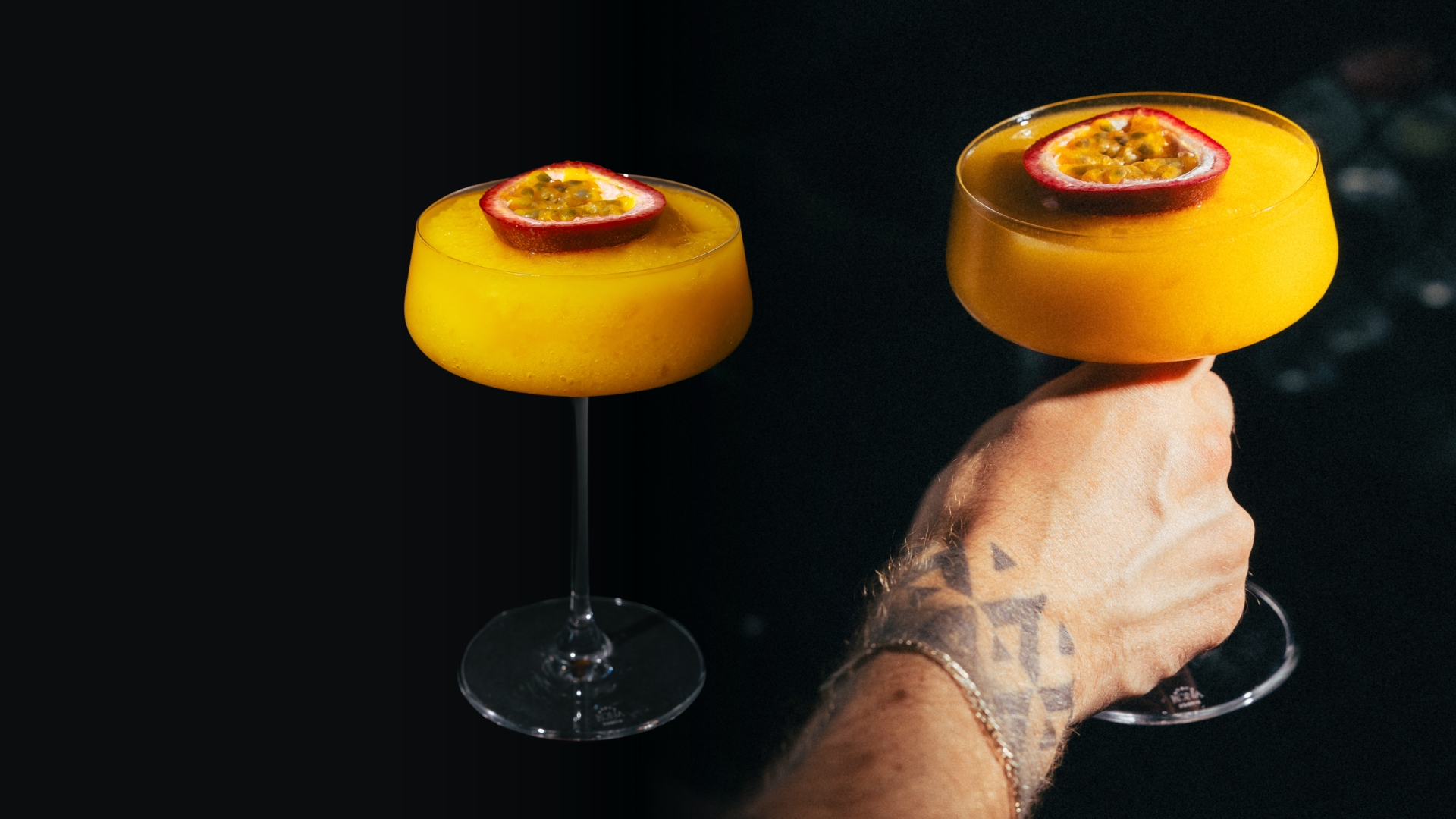
Order a daiquiri at the bar, and you get three ingredients in balance and nothing else. White rum, fresh lime juice, a little sugar.
A daiquiri is a Cuban cocktail from the sour family, served very cold and with no ice in the glass. That simplicity is exactly what makes it a test for any bar. At our cocktail bar in Gdańsk, we pour daiquiris in a frozen version this summer, so we know the drink firsthand.
Behind that simplicity sits more than a hundred years of history, a Cuban iron mine, and one very thirsty writer.
Three Ingredients That Make a Daiquiri a Sour
A classic sour built on white rum. The sour family rests on three pillars, which are a strong spirit, citrus acidity, and a sweetener. In a daiquiri, those roles go to rum, lime, and sugar.
The same logic runs under a whiskey sour and a margarita. The base and the citrus change; the skeleton stays the same. That is why a bar that makes one sour well usually makes the rest well too.
A daiquiri is a short drink, meaning a small-volume cocktail you drink right away, before it warms up. There is no soda and no melting ice diluting it, so the flavor stays concentrated and clear to the last sip. David Embury listed it in his classic book on mixing as one of the six basic drinks worth starting with.
{{ctablock}}
Where the Daiquiri Comes From?
The daiquiri comes from Daiquirí, a village and iron-ore mine on the coast near Santiago de Cuba, in the eastern part of the island. The word itself has roots in Taíno, the language of the Caribbean's Indigenous people.
Historians credit the drink to Jennings Cox, an American mining engineer who ran that mine in the late 19th century. This happened during the Spanish-American War of 1898, when many Americans were working in Cuba.
By the most repeated account, Cox ran out of gin with guests around, so he reached for what was on hand, the local rum. He added lime juice, sugar, and ice to soften the spirit's edge.
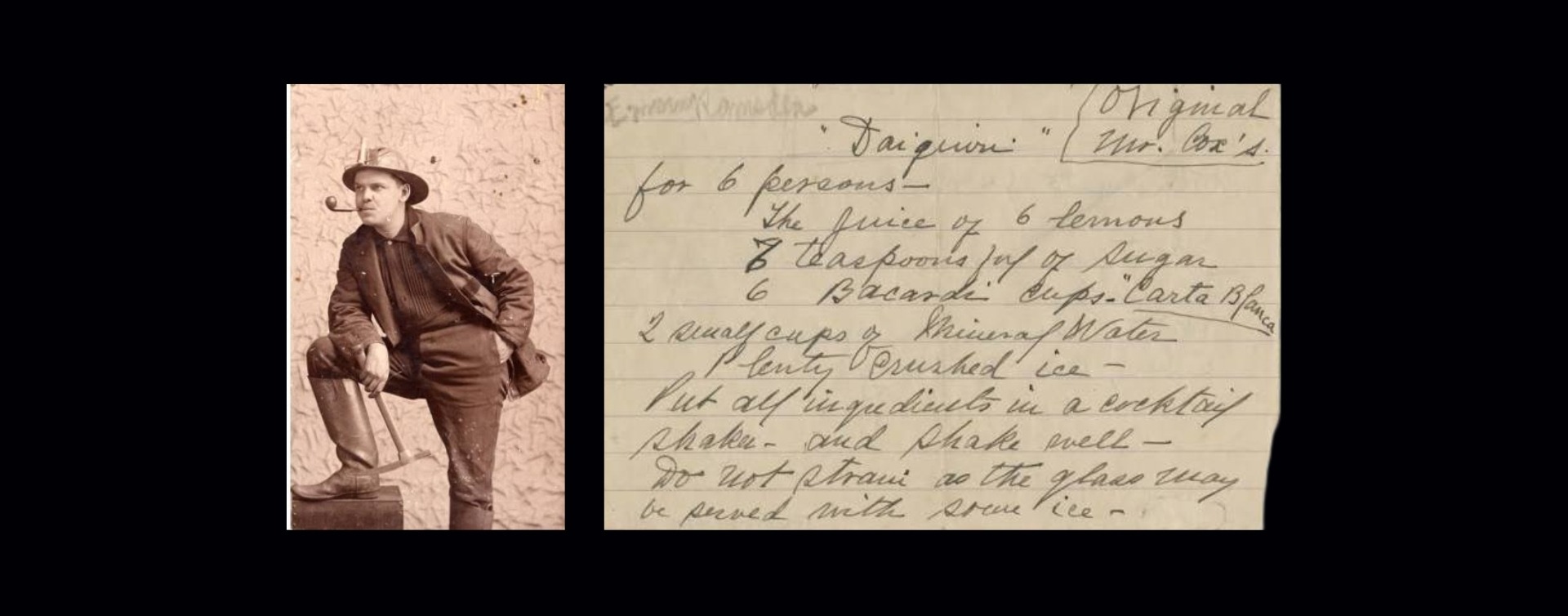
Rum with lime and sugar was not a new combination back then. Sailors in the Caribbean had been mixing those three ingredients long before to make a harsh spirit drinkable. So history owes Cox the name and the fame more than the idea itself, and the drink quickly took its title from the place where he served it.
The cocktail left Cuba around 1909, when a U.S. Navy officer named Lucius Johnson tried it and carried the recipe back to the Army and Navy Club in Washington. Real popularity came in the 1940s, when wartime limits made whiskey hard to get, and Caribbean rum stayed easy to find. Ernest Hemingway and President John F. Kennedy were both fans.
The Hemingway Daiquiri, or Papa Doble Without Sugar
The Hemingway daiquiri is the best-known variation on the classic, and it was born at El Floridita in Havana. The writer spent a lot of time there and ordered his daiquiri his own way, with a double shot of rum and no sugar at all.
That sugarless, heavily rum-forward version got the name Papa Doble. "Papa" was Hemingway's Cuban nickname, and "doble" comes from the double pour of rum. Behind the bar stood Constantino Ribalaigua Vert, the El Floridita bartender who turned the daiquiri into an art.
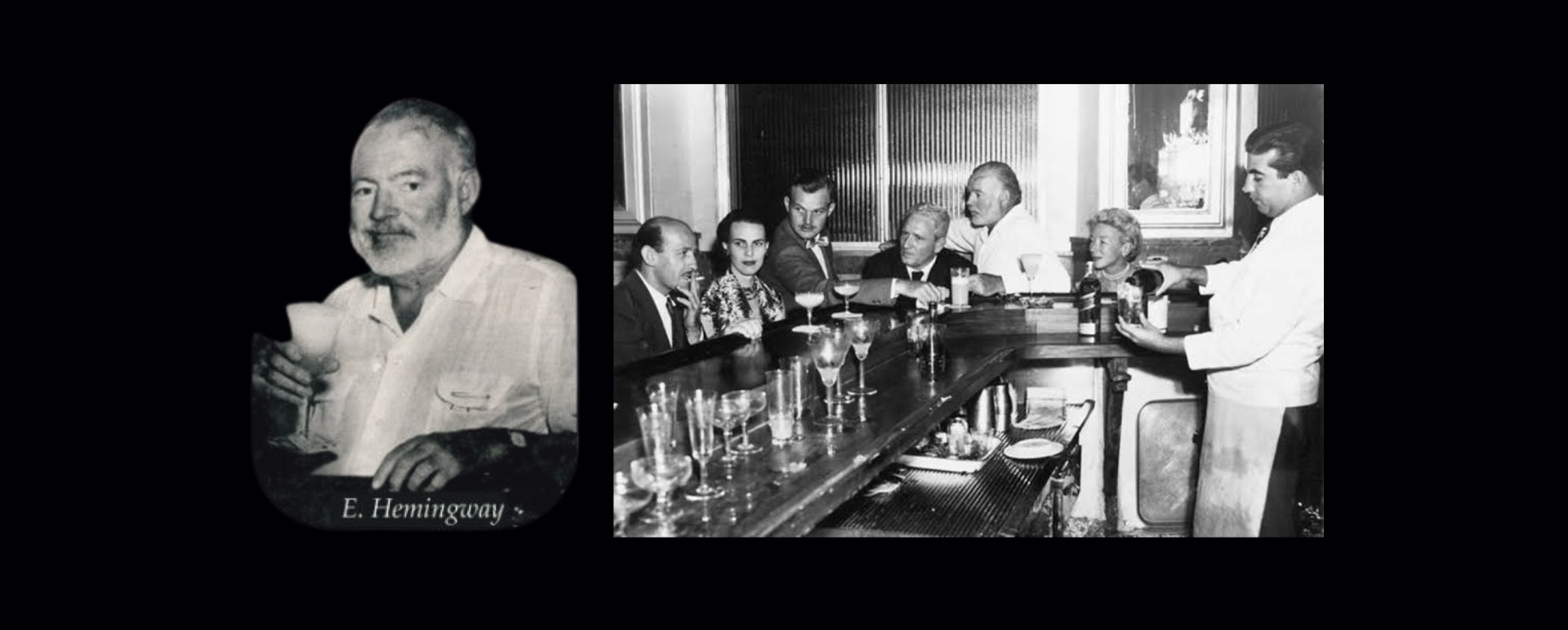
Papa Doble carries grapefruit juice and maraschino liqueur on top of Hemingway's double rum and zero sugar. Grapefruit brings a bitter, floral note alongside the lime, and maraschino rounds it out. That liqueur gets confused with the sweet syrup from a jar of cherries, when it is actually a dry, clear spirit with an almond-cherry finish that does not sweeten the drink.
The result comes out tart, bitter, and rummy, not fruity-sweet. Anyone who prefers cocktails without sweetness feels right at home in a Papa Doble.
Four Daiquiris From El Floridita
El Floridita did not stop at one recipe. Constante Ribalaigua mapped the daiquiri there into four numbered versions and wrote them down in the bar's own booklet in the 1930s. Each one adds its own accent to the classic base of rum, lime, and sugar.
- Number one is the natural version, the plain classic with nothing extra.
- Number two turns toward orange, with orange juice and curaçao liqueur.
- Number three adds grapefruit juice and maraschino liqueur, served over crushed ice, and it is the one that Papa Doble grew from.
- Number four, known as the Floridita, stays close to the classic with a hint of maraschino, but goes into the blender and comes out frozen.
The exact proportions in these versions differ between sources, since the recipes circulated in several forms and got tweaked along the way. What stays constant is the skeleton that bartenders still build their own variations on today.
How a Classic Daiquiri Is Made and What It's Served In?
A classic daiquiri recipe is mostly a lesson in technique, not a long shopping list. Fresh lime juice is non-negotiable because the bottled kind flattens the drink before it even starts.
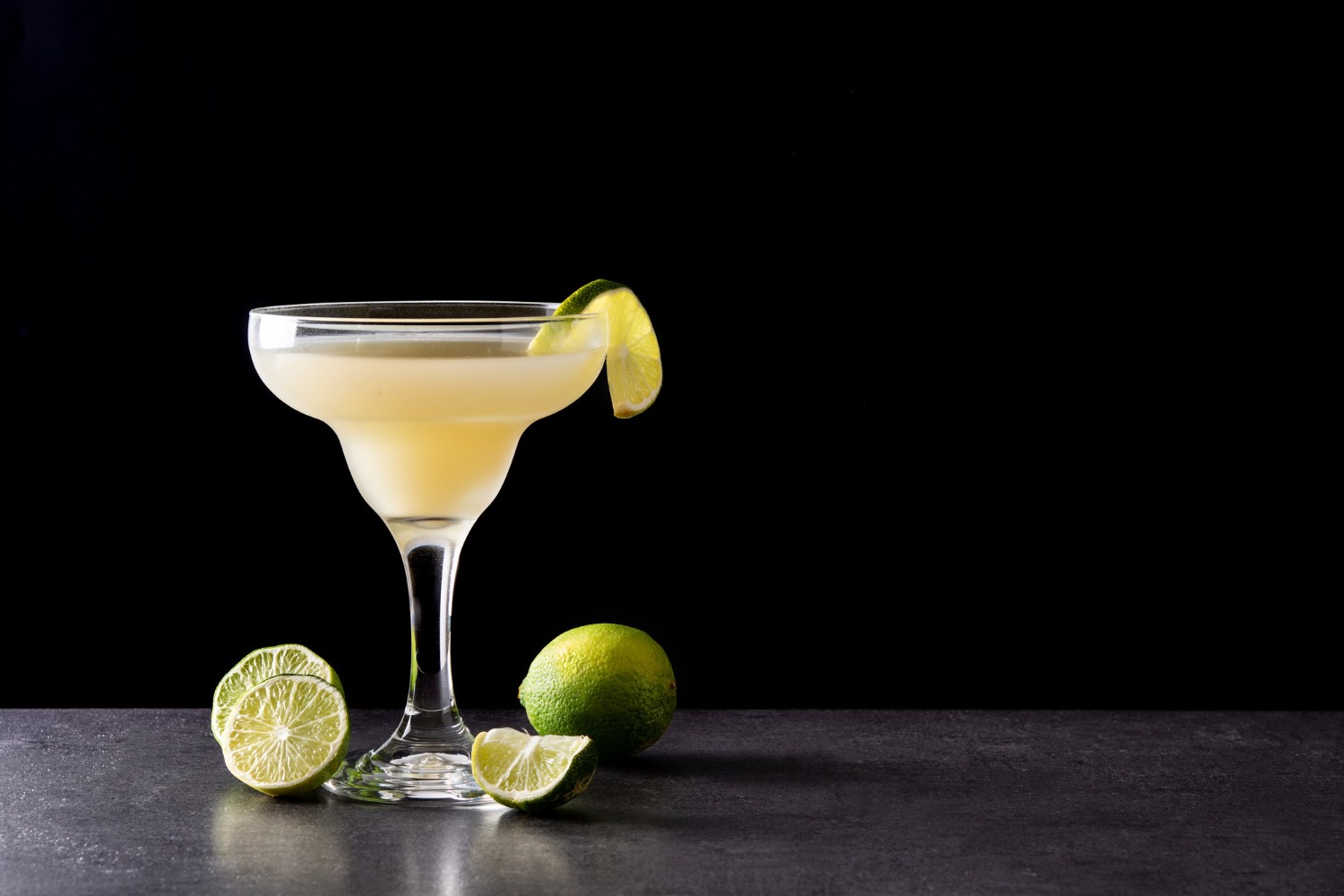
A daiquiri is shaken, not stirred, and that is the whole point. Lime juice and sugar need energy to bind with the rum, and shaking aerates the drink and chills it all the way down. Everything goes into a shaker with ice until the tin frosts on the outside, then it passes through a strainer into a chilled coupe. The ice stays in the shaker, and only the drink lands in the glass.
Balance decides the rest. Too little lime and the drink turns flat, too much sugar and it loses its bite. A good daiquiri holds acid and sweetness in proportions that keep the rum present and the sip crisp.
Which Rum to Choose for a Daiquiri?
The rum for a daiquiri wants to be a light white rum in the Cuban style, clean and dry, with no heavy barrel flavor. That kind of rum works into the lime and sugar without covering them.
Historically, the drink was built on local rum from around Santiago, the kind tied to the Bacardi name. Today, the best rum for a daiquiri is just a good-quality white rum with a clear profile.
A lightly aged gold rum is fair game too and turns out a rounder, amber-tinted daiquiri. It is the heavy, long-aged rums, thick with oak and spice, that take over and bury the freshness that the drink is about. If you want to go deeper into that world, we put together a separate look at different rum drinks and what they are built on.
Daiquiri Mistakes That Are Easy to Fix
Most failed daiquiris come down to one of a few repeat mistakes, and each leaves its own mark in the glass. Bottled lime juice is the most common sin, since it gives a flat, faintly bitter acidity in place of a live one. A heavy hand with sugar drowns the rum and slides the classic toward a sweet dessert.
The next two mistakes come from cold and timing. Too short a shake leaves the drink lukewarm and barely diluted, so the alcohol pushes to the front. A warm glass or a drink left sitting for fifteen minutes loses its edge because a daiquiri only lives for as long as it stays ice-cold.
Frozen Daiquiri and Fruity Variations on Crushed Ice
A frozen daiquiri is the blended version of the classic, run through a blender with crushed ice. In place of a liquid drink, you get a texture closer to sorbet, sipped through a straw or spooned out.
The format traces back to that same El Floridita bar once electric blenders reached the island in the 1930s. Blending changes more than texture. Since melting ice keeps diluting the drink as you sip, a frozen daiquiri is made a touch sweeter and stronger, so its flavor holds to the last spoonful. It also stays cold far longer in the heat than a shaken one poured up.

Every fruity variation you now associate with vacation came out of that frozen base. Strawberries, mango, watermelon, or passion fruit go into the blender with rum, lime, and ice, giving a drink with a clear fruit aroma. The strawberry daiquiri spread the widest in the mid-20th century, and in New Orleans, the word "daiquiri" eventually came to mean any frozen fruit cocktail.
Without alcohol, a daiquiri works just as well because its character comes mostly from lime, fruit, and ice. Just skip the rum and the flavor stays the same. It is a good call for the middle of the day or for whoever is driving.
Which Dishes Pair With a Daiquiri?
Our summer daiquiris are fruity, frozen, and gently sweet, so they follow a different pairing logic than the dry classic. Their chill and fruity sweetness shows best next to spicy, salty, and fried dishes, because the sweetness tames heat and the cold cuts through fat.
From our menu, the small plates for sharing fit best here.
- Grilled shrimp in sriracha aioli plays the strongest, since the drink's fruity sweetness cools the pepper heat.
- Duck Balls with gorgonzola, crisp and spicy, gain from the icy, fruity contrast.
- Padrón Halloumi grill adds a salty, faintly smoky note that does not fight the fruit.
You can also match a dish to a specific flavor, since each of the three likes slightly different company. The tropical daiquiri with passion fruit and mango takes the most heat, the watermelon one suits lighter, salty bites, and the strawberry one likes richer, cheesy notes. You will find the full card in our menu, and the staff will help put a pairing together on the spot.
July Frozen Daiquiris at Secret Room Bar
All that theory comes together on one line of our menu, and only through July. That month Secret Room bar switches to frozen daiquiris and serves them in three signature flavors, available for this one month only.
Each stands on white rum and citrus syrup, with the fruit base setting them apart. Strawberry Daiquiri leads with strawberry puree. Watermelon Daiquiri pairs watermelon with pomegranate syrup. Tropic Daiquiri rests on passion fruit and mango. Plenty of crushed ice, so each one stays cold longer than a hot evening lasts.

It is the simplest way to try a daiquiri without making it yourself. For more ideas for hot days, we gathered a rundown of summer drinks for the heat.
August Aperitivo on the Motława
When July's daiquiri season winds down, the bar moves smoothly to its August lead. That month goes to the Aperol Spritz and the mood of an Italian aperitivo, a light drink for warm evenings as the sun drops over the river.
We run the Aperol in three versions for different evening moods. Classic Aperol Spritz keeps the original recipe with prosecco, soda water, and orange. Hugo Aperol turns floral with elderflower, mint, and lime. Berry Aperol Spritz adds blueberry puree for a deeper fruity tone.
Which season you catch depends only on when you come by. A table at the railing over the water is worth booking ahead for Friday and Saturday, online or by phone at +48 888 773 999. The staff will tell you which drink is on the card that week.
An Exceptional Evening in Gdańsk!
Reserve a table at Secret Room!